

Photo by Nathaniel Wise
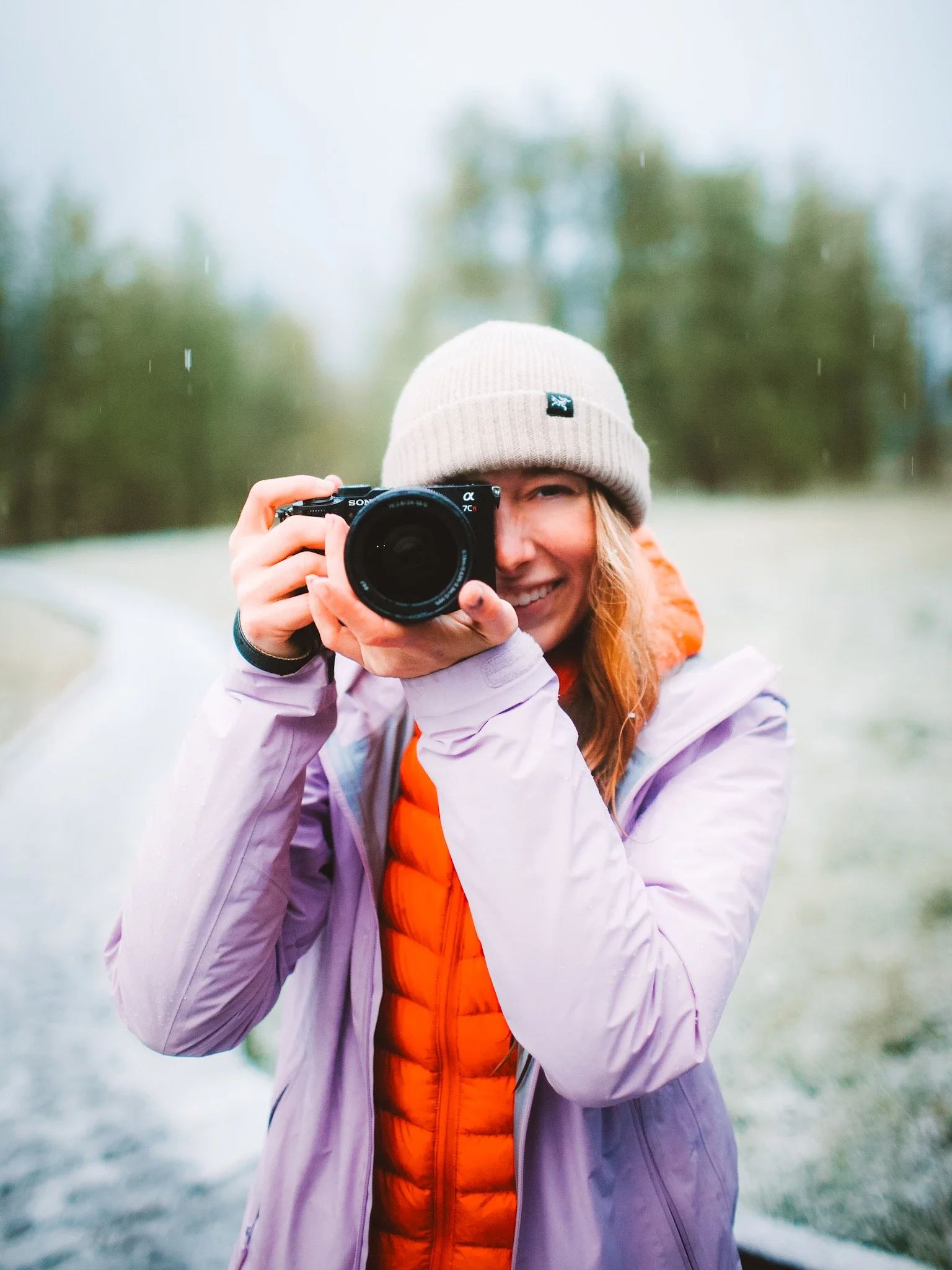
In this post, learn about all the photography gear I use as an outdoor photographer and videographer. As a hiker and backpacker, I’ve chosen specific camera gear that will help capture my adventures without being too bulky or heavy. I’ve invested in a lot of new gear this year, so learn more about all the gear I currently use in this post!
Table of Contents:
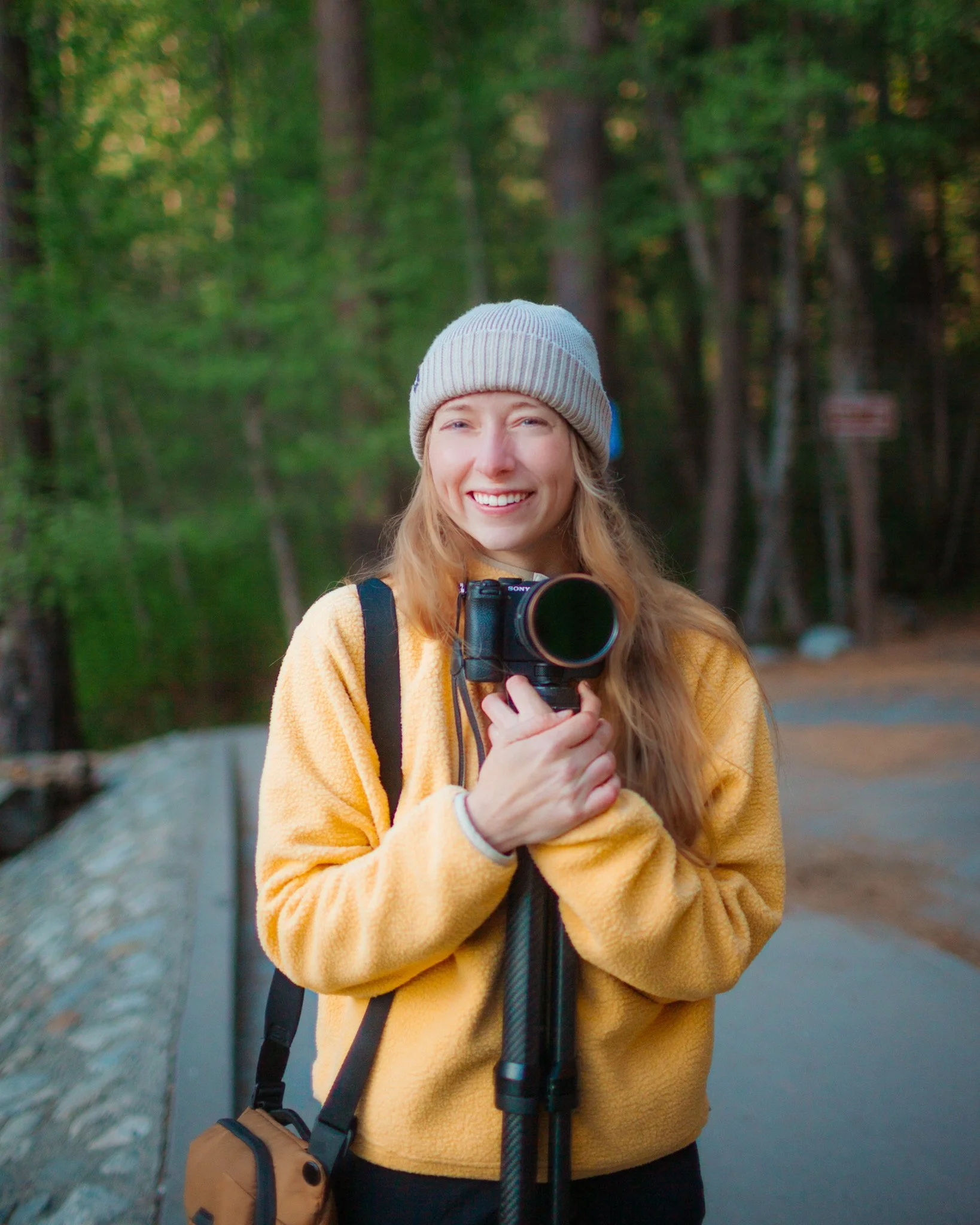
Photo by Nathaniel Wise
For hiking and backpacking gear guides, check out my posts on the best women’s hiking shoes and boots, best women’s hiking shorts, backpacking gear guide, what to wear and bring day hiking guide, and my outdoorsy gift guide.
Affiliate Disclosure: This post contains affiliate links. If you make a purchase, I may receive a small percentage at no additional cost to you. Thank you for supporting my work!
Let’s Connect: Instagram • TikTok • YouTube • Join My Newsletter | Enjoy This Post? Ways to Support this Blog
Read Next:


What’s In My Camera Bag
Camera Body
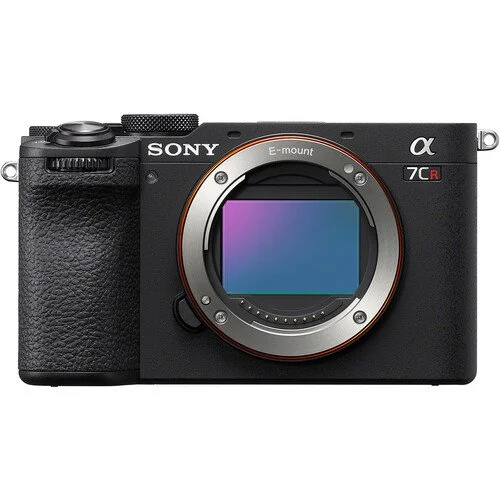
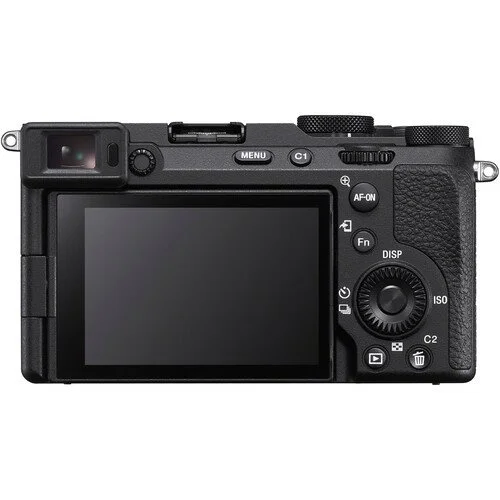
Sony a7CR
I’ve been using the Sony a7CR since January 2026, which I bought used from a friend! I’ve absolutely loved this upgrade from my Sony a7R III! This camera is small, but mighty. I love how compact and lightweight it is, which makes it perfect for hiking and backpacking while still being super powerful with a 61-megapixel full-frame sensor and improved autofocus and stabilization. The Sony a7CR also shoots beautiful 4K video with 10-bit color and S-Log3.
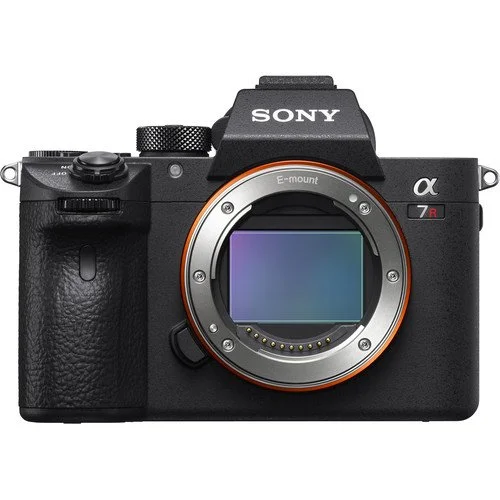
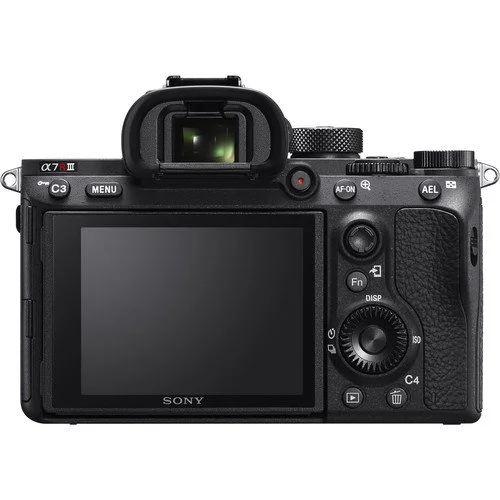
Sony a7R III
The Sony a7R III was my previous go-to camera body that I used 2020 through 2025. I loved this camera and it lasted me many years. However, after hiking thousands of miles with it, it is pretty beat up, which is why I upgraded to the Sony a7CR earlier this year. For my old camera gear, check out my previous What’s In My Camera Bag post.
Lenses
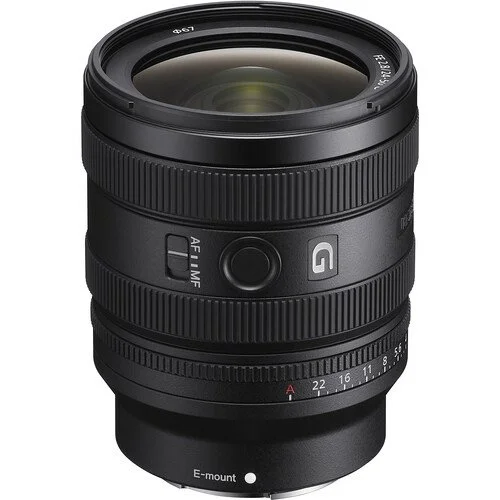
Sony FE 24-50mm f/2.8 G
The Sony FE 24-50mm f/2.8 G has become my go-to everyday lens and it is the lens I keep on my camera most often. I love how small and lightweight it is, especially with the Sony a7CR. The 24-50mm range works great for most of my photography and videography, and the f/2.8 aperture makes it versatile enough to use in lower light and for video. If I’m going on a hike or backpacking trip and I only want to bring one lens, this is the one I take.
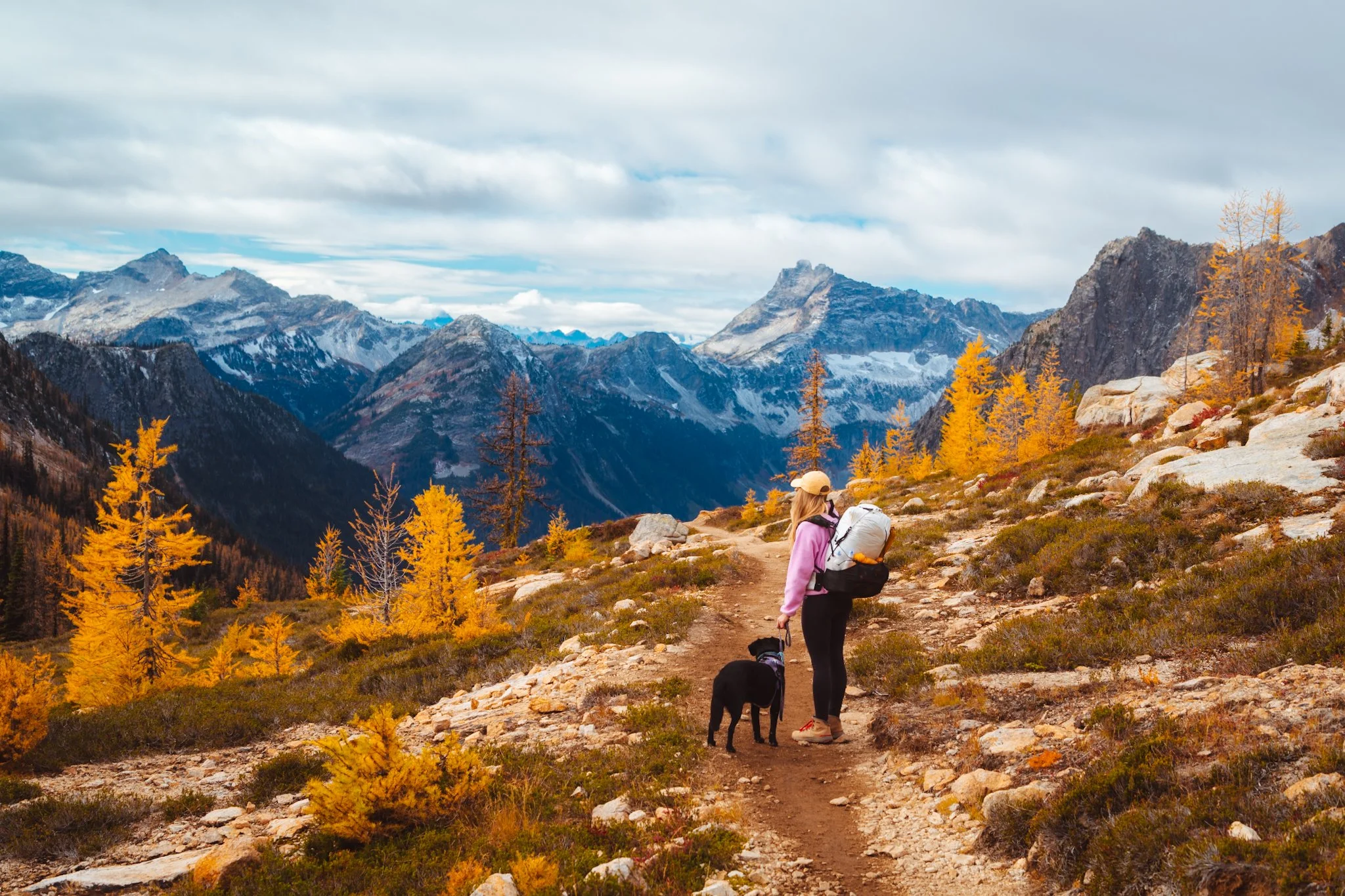
Captured with Sony FE 24-50mm f/2.8 G
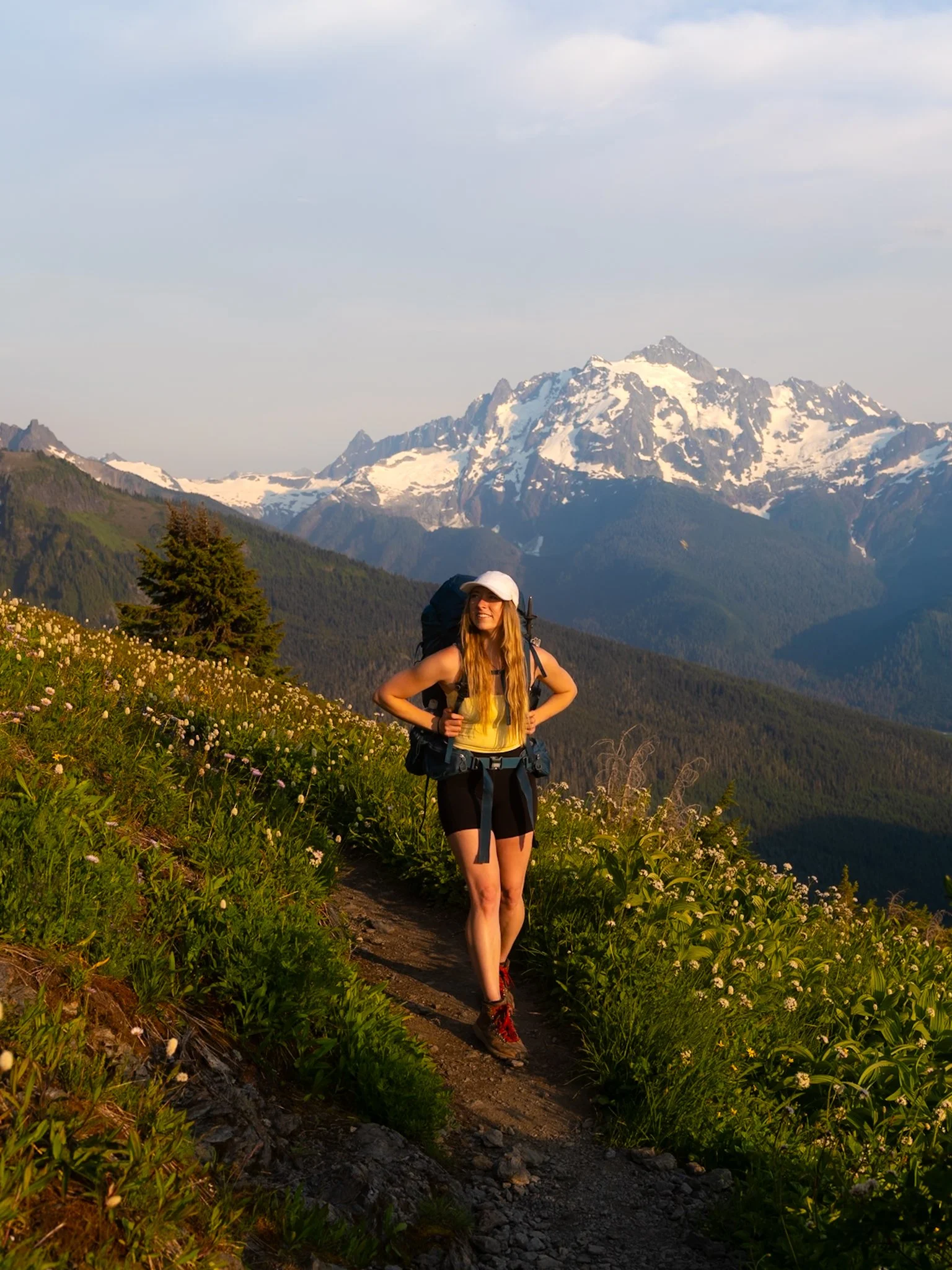
Captured with Sony FE 24-50mm f/2.8 G
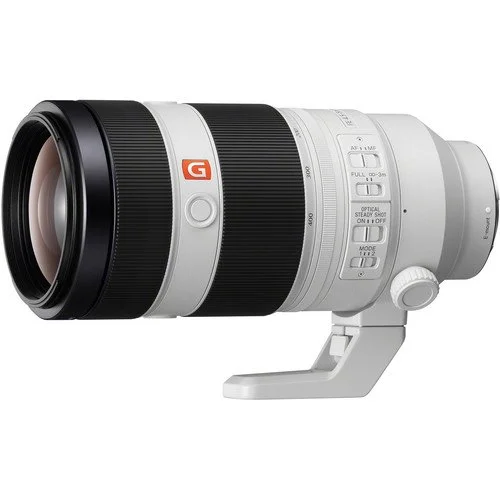
Sony FE 100-400mm f/4.5-5.6 GM
The Sony FE 100-400mm f/4.5-5.6 GM telephoto lens is one of my favorite lenses for photographing landscapes! I love using a telephoto lens to capture details and layers of the mountains to create more compressed landscape images. The 100-400mm range also makes this a great lens for photographing wildlife. However, it is definitely one of the heavier lenses I use, so I don’t bring it on every hike, but I love having it with me when photography is a priority. I’ve taken this lens on many backpacking trips this past summer and the extra weight is always worth it.
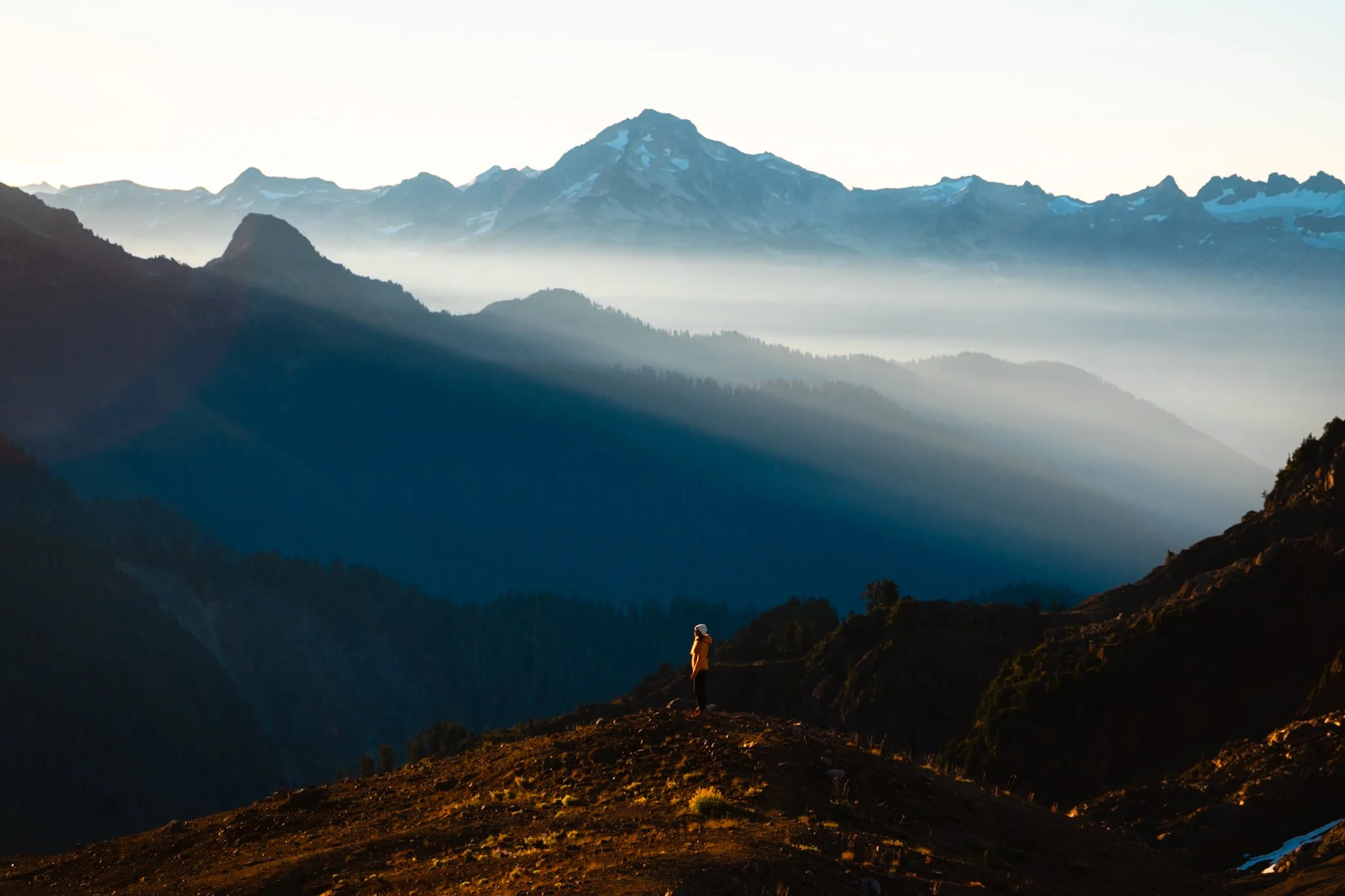
Captured with Sony FE 100-400mm f/4.5-5.6 GM
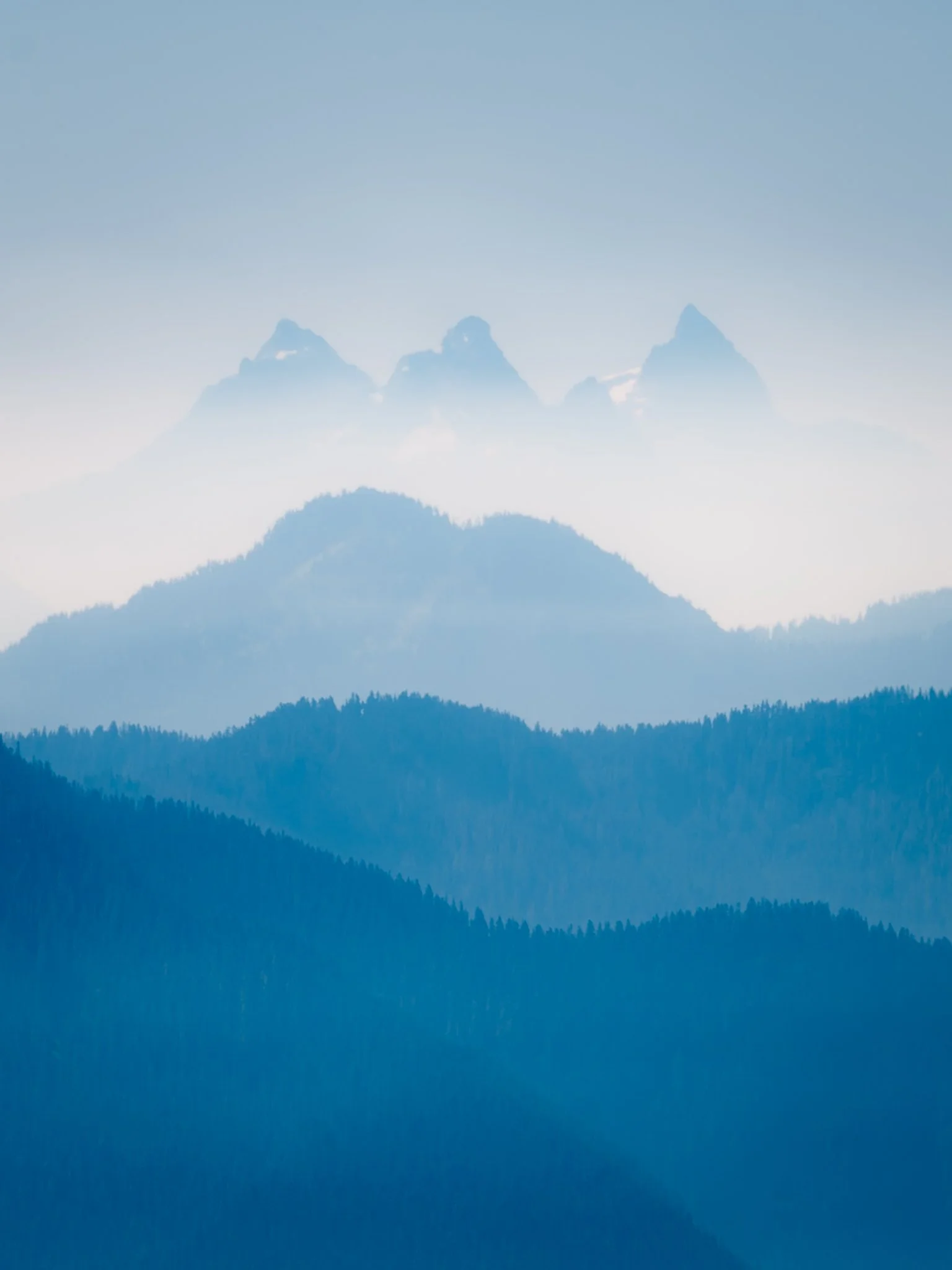
Captured with Sony FE 100-400mm f/4.5-5.6 GM
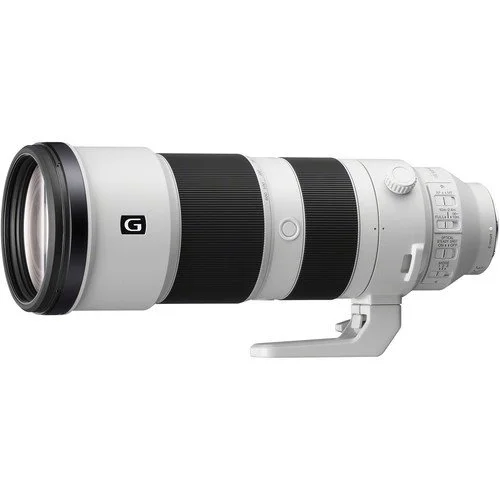
Sony FE 200-600mm f/5.6-6.3 G
I primarily use the Sony FE 200-600mm f/5.6-6.3 G super telephoto lens for wildlife photography or to photograph far off mountains. The 200-600mm range gives me a ton of reach and allows me to photograph wildlife from a distance without needing to get close. This lens is BIG and heavy, so it definitely isn’t something I’m carrying on most hikes or backpacking trips, but it’s a great lens to have when wildlife photography is the main goal.
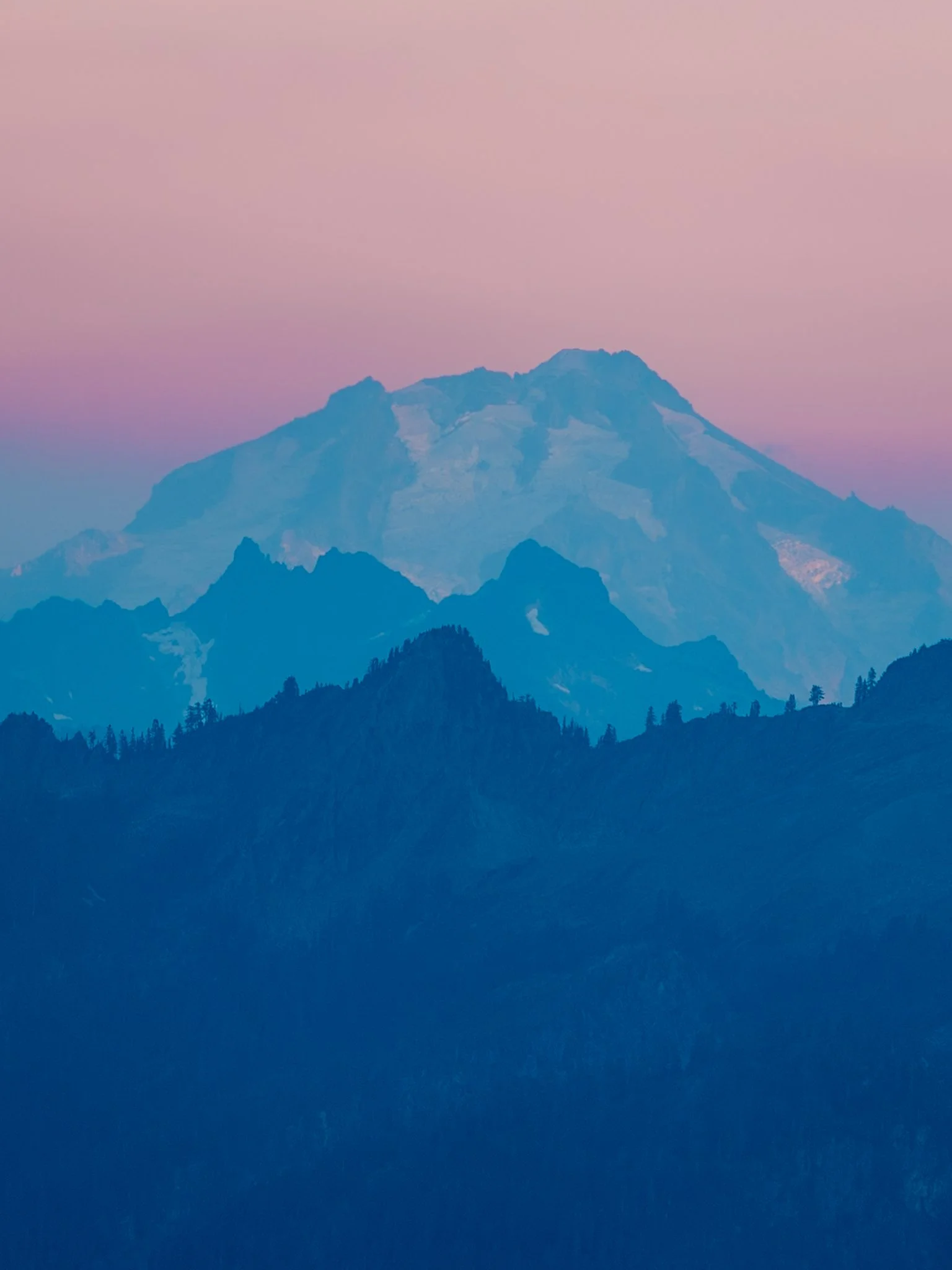
Captured with Sony FE 200-600mm f/5.6-6.3 G
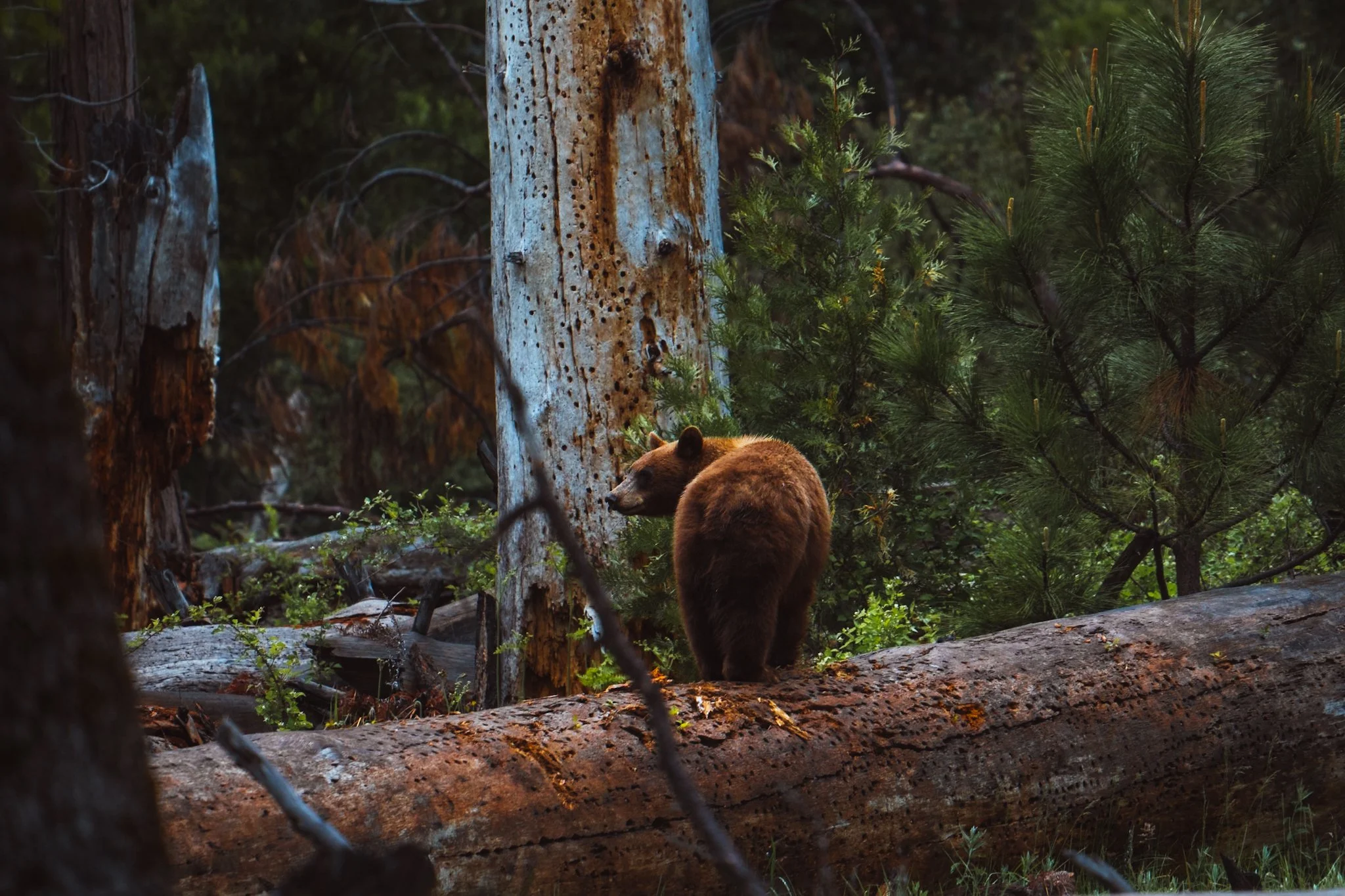
Captured with Sony FE 200-600mm f/5.6-6.3 G
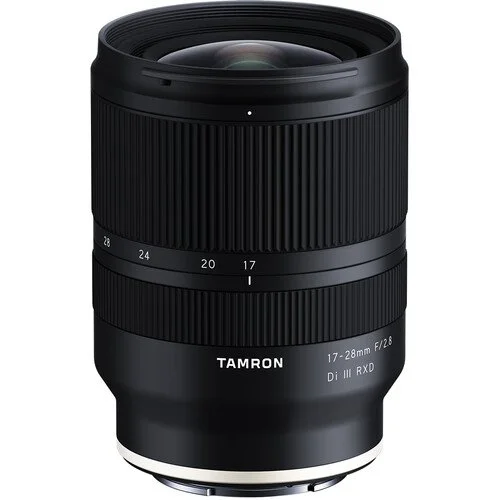
Tamron 17-28mm f/2.8 for Sony
The Tamron 17-28mm f/2.8 wide lens is perfect for capturing wide landscapes and also for astrophotography. I’ve been using this lens since 2020. It’s lightweight, making it great for hiking and backpacking.
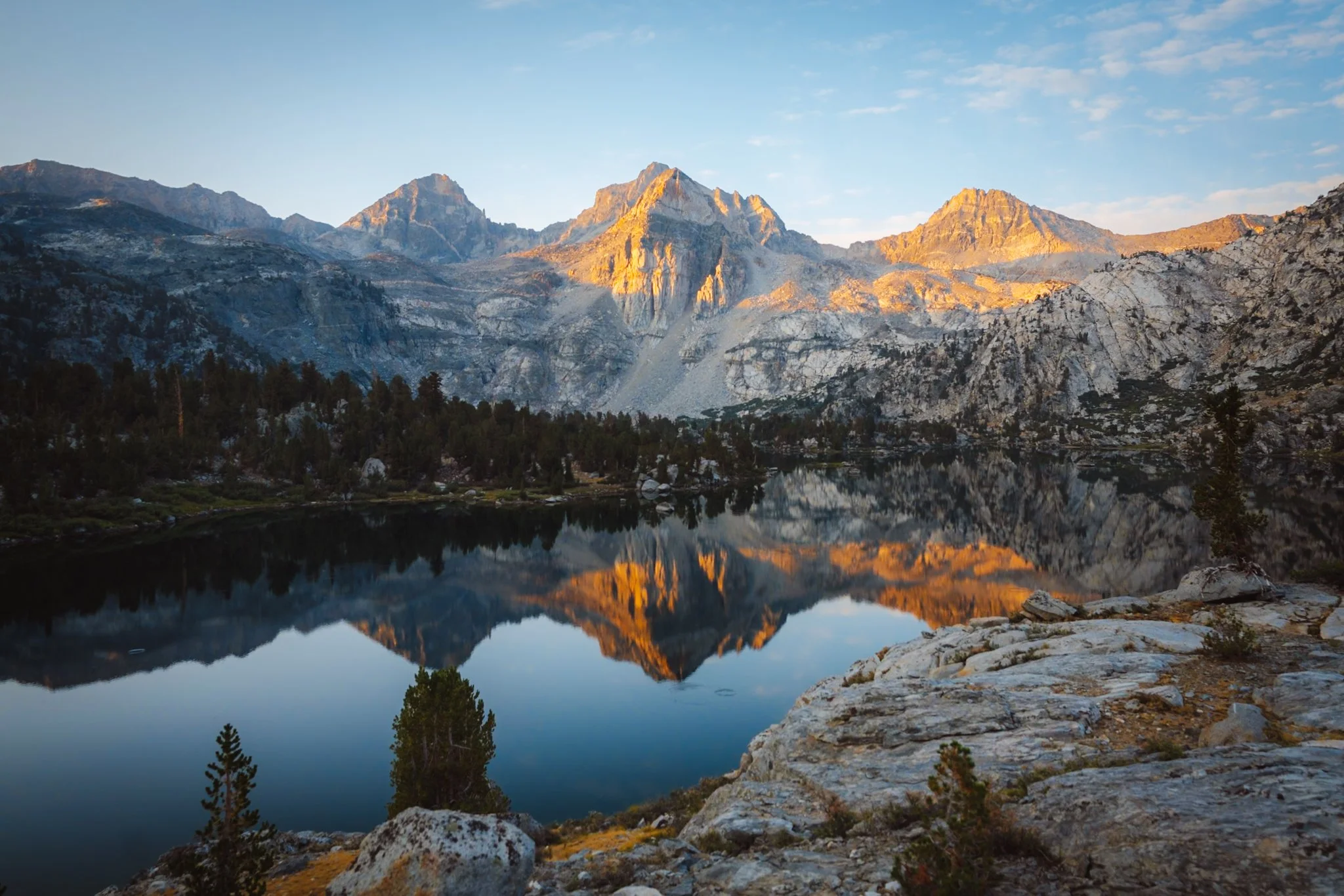
Captured with Tamron 17-28mm f/2.8
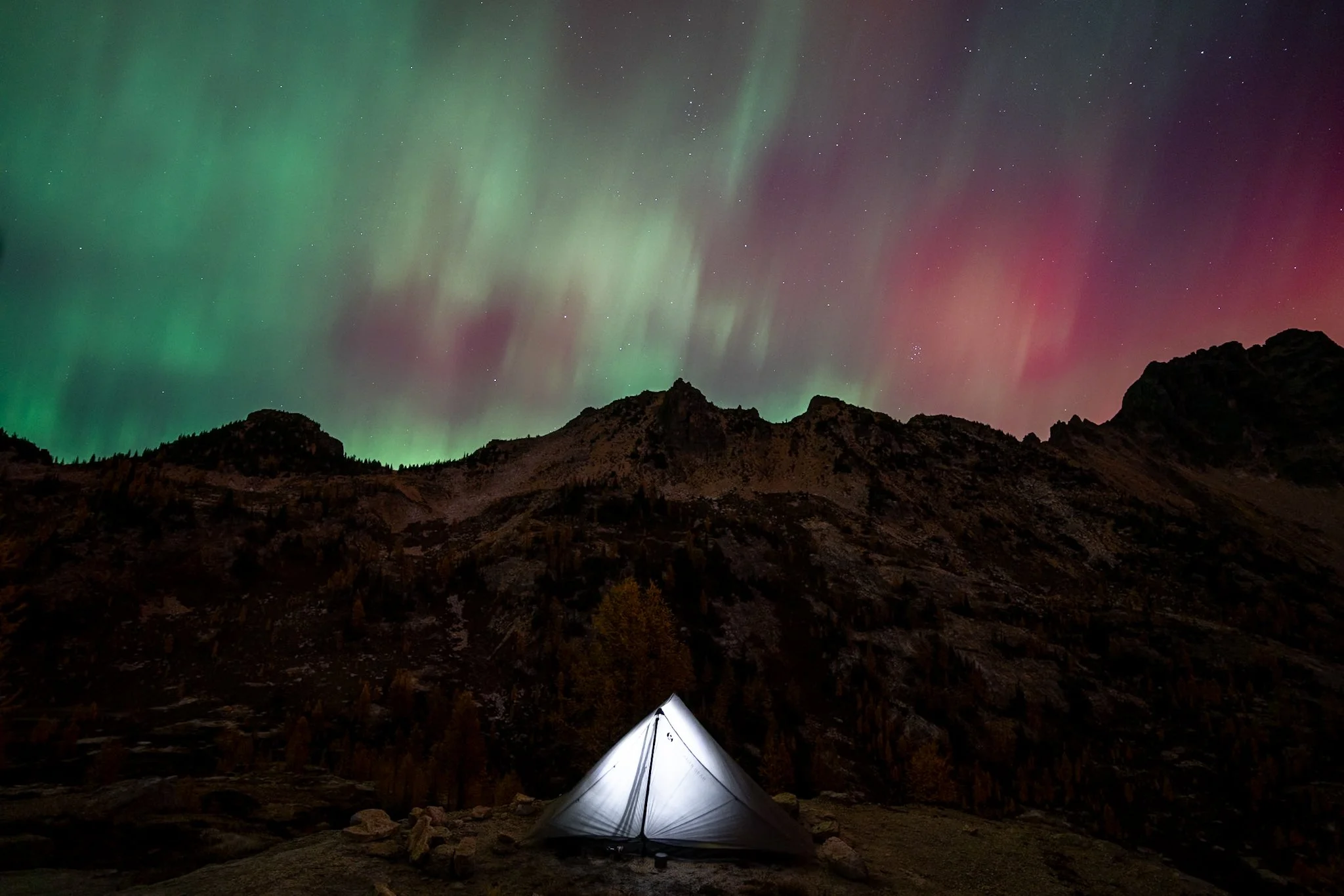
Captured with Tamron 17-28mm f/2.8
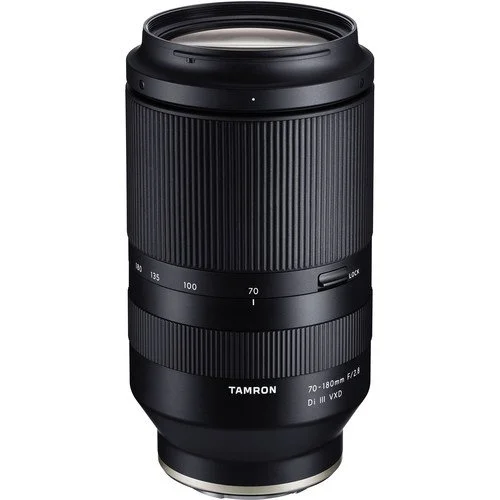
Tamron 70-180mm f/2.8 for Sony
The Tamron 70-180mm f/2.8 for Sony was my go-to telephoto lens for a few years. It is a great lightweight alternative to a traditional 70-200mm f/2.8 lens. I loved having the extra reach for landscape photography while still having a f/2.8 aperture. It was especially nice for hiking because it gave me a telephoto option without adding a huge amount of weight to my camera bag.
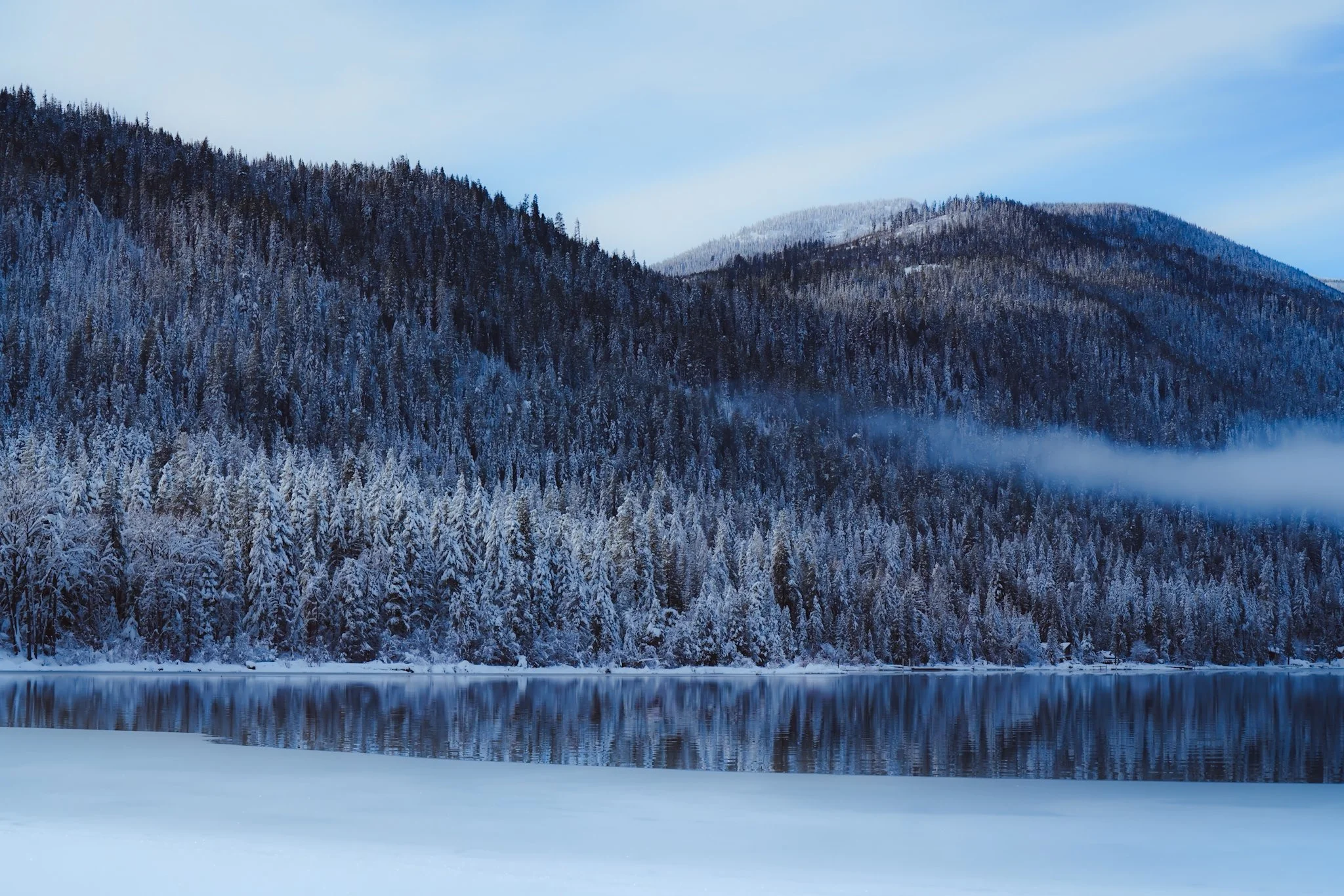
Captured with Tamron 70-180mm f/2.8
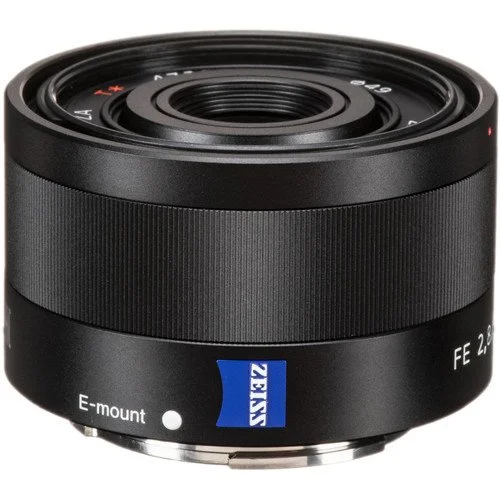
Sony Sonnar T* FE 35mm f/2.8 ZA
This little lens is one of my favorite options when I want to keep my camera setup as small and lightweight as possible, which makes it my go-to lens for thru-hiking. It’s incredibly compact and barely adds any weight to my camera, which makes it perfect for longer backpacking and thru-hiking trips. The 35mm focal length is also really versatile for capturing landscapes, everyday moments, and life on trail. Want to know more about my thru-hiking camera gear? Check out my post: Backpacking & Thru-Hiking Camera Gear.
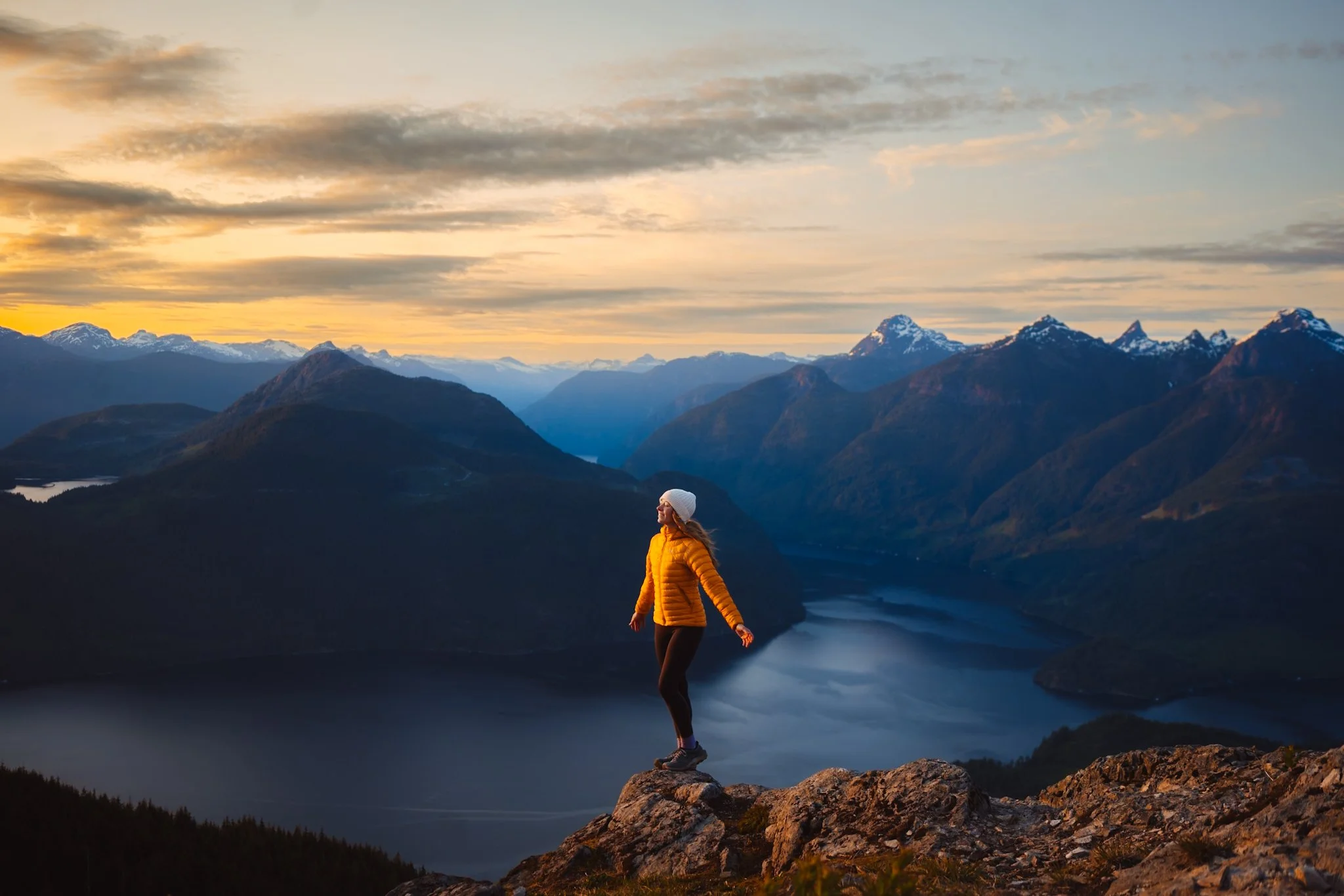
Captured with Sony Sonnar T* FE 35mm f/2.8 ZA
Previously Used Lens:
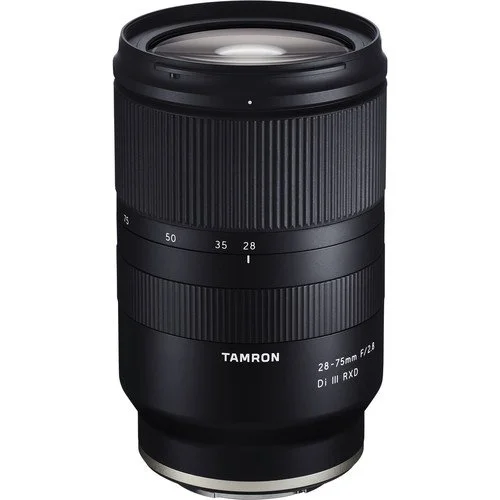
Tamron 28-75mm f/2.8 for Sony E
The Tamron 28-75mm f/2.8 for Sony used to be my go-to lens until a big gust of wind blew over my tripod and broke it. I got this lens in 2020. It was a great more budget-friendly lens that is relatively light compared to the comparable Sony lens.
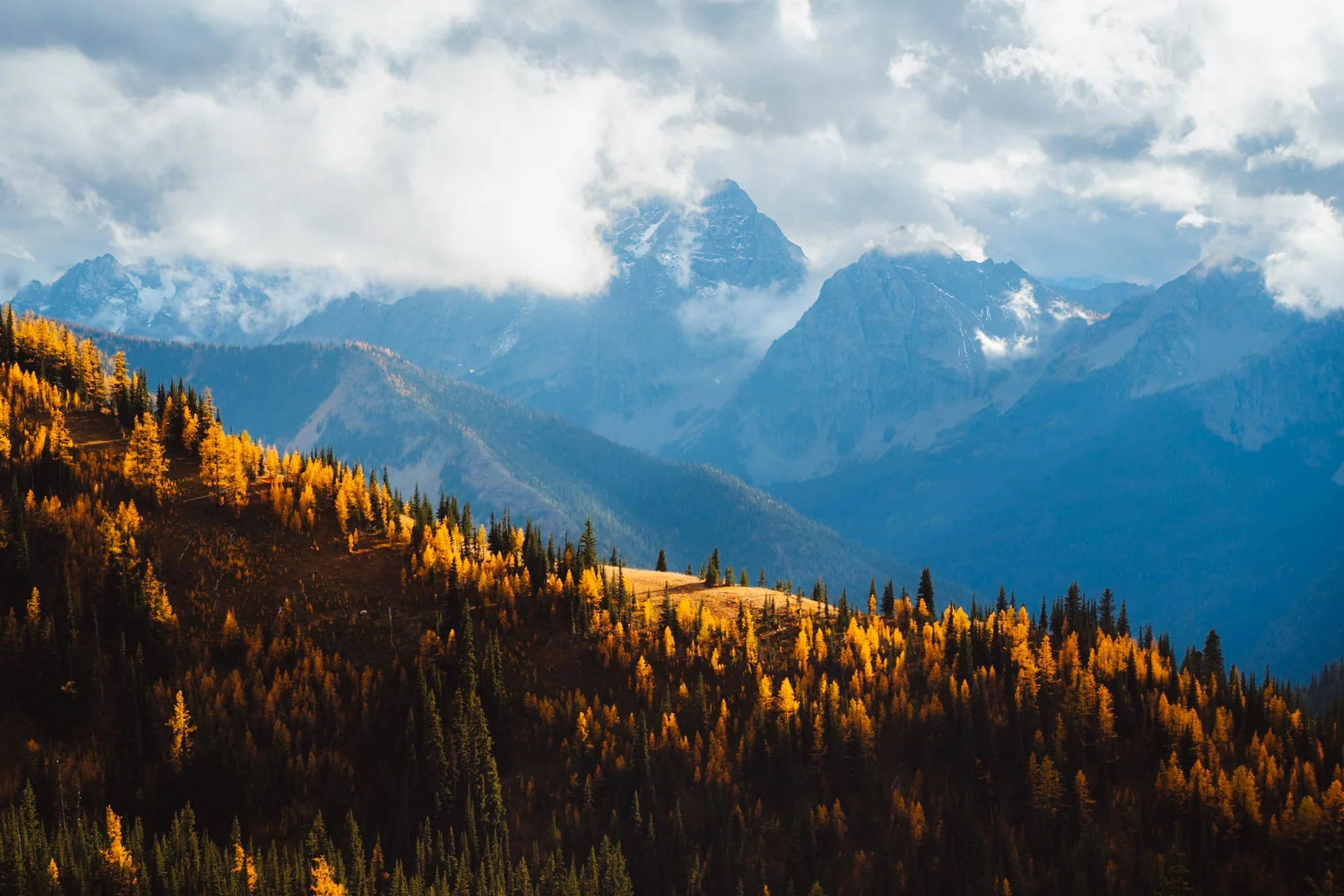
Captured with Tamron 28-75mm f/2.8
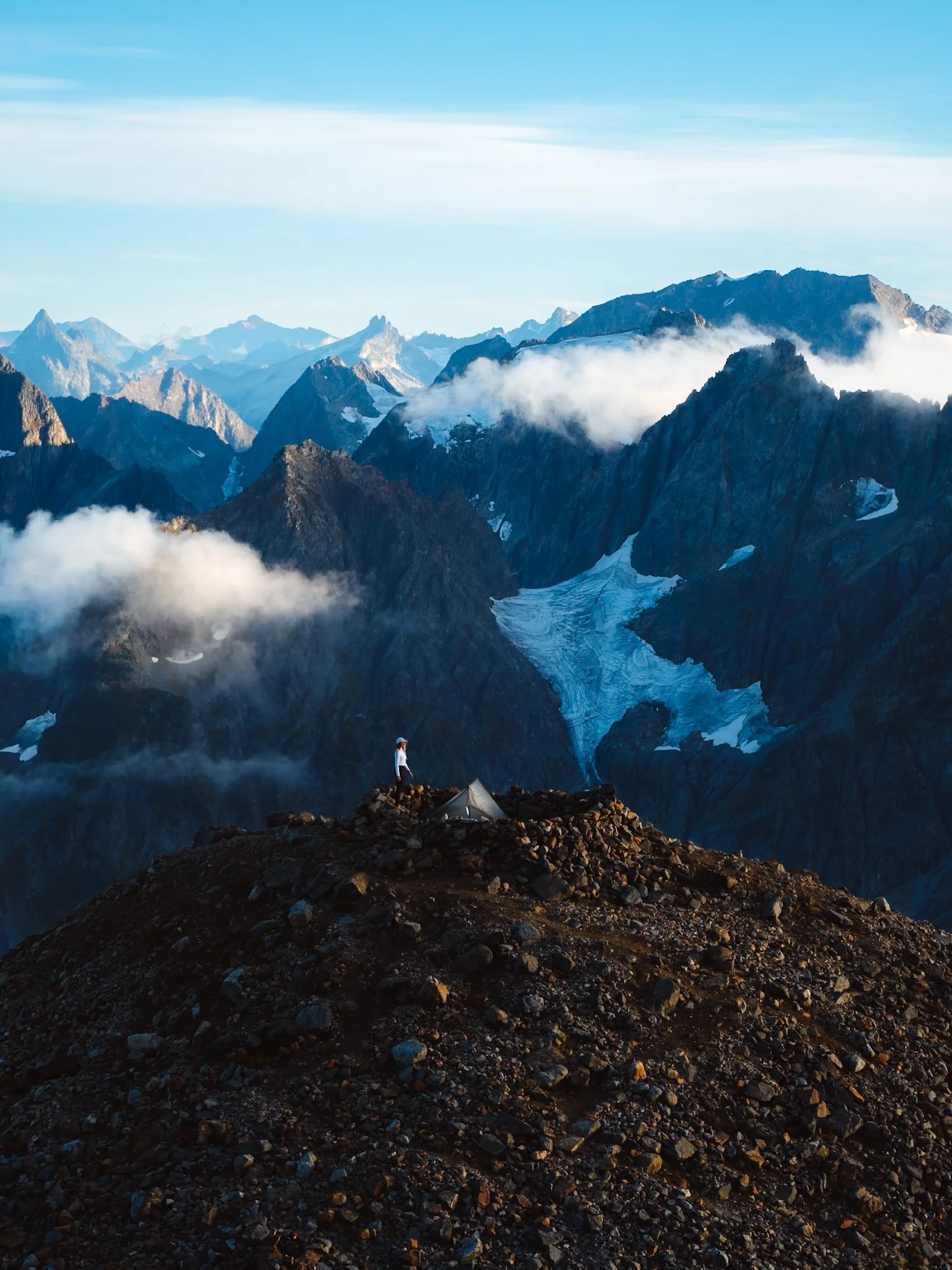
Captured with Tamron 28-75mm f/2.8
Drone
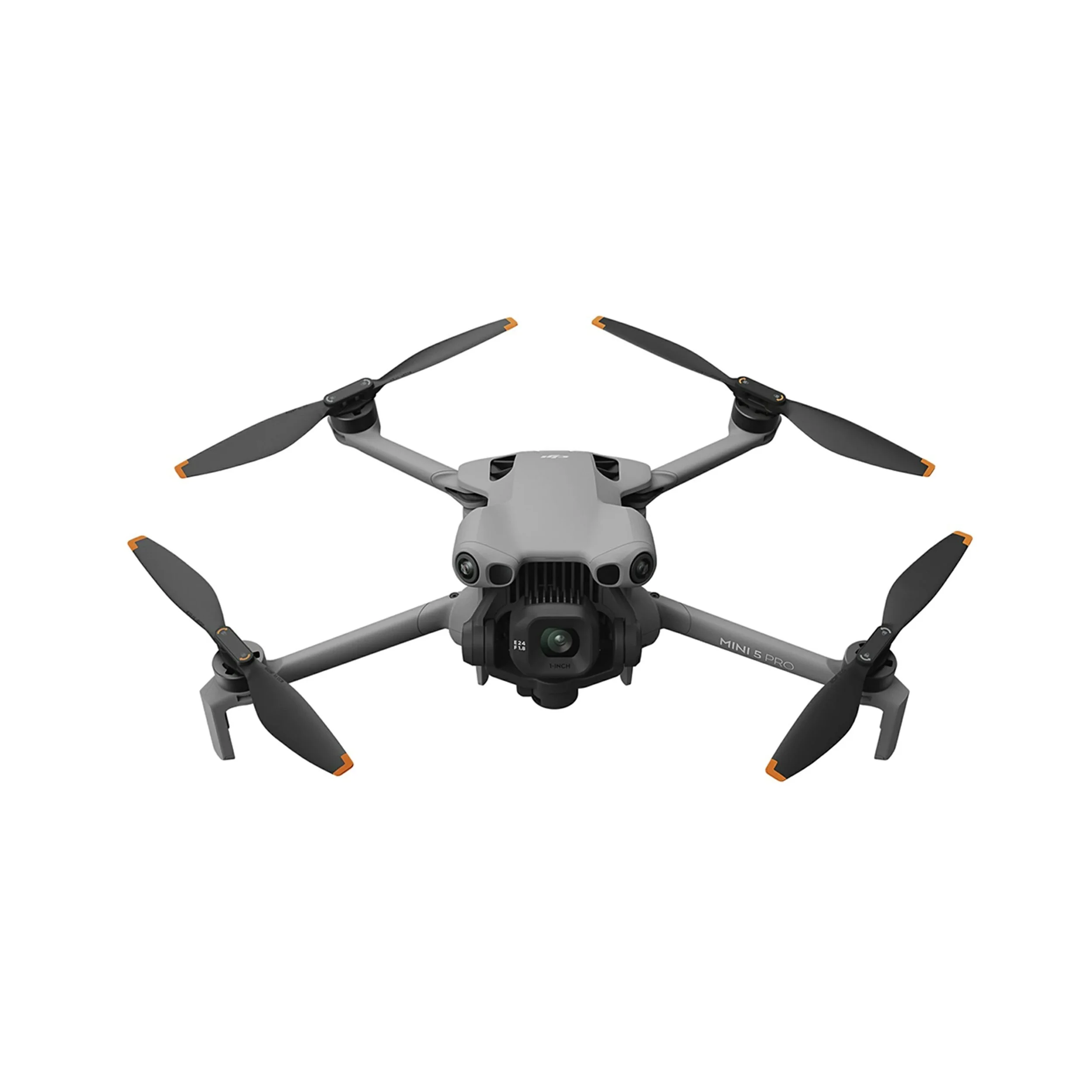
DJI Mini 5 Pro
The DJI Mini 5 Pro Drone is the newest addition to my camera gear lineup! I chose this drone because it is compact and lightweight, making it easier to bring along on backpacking trips (where drones are allowed). It also has great photo and video capabilities, including true vertical shooting.
Tripod
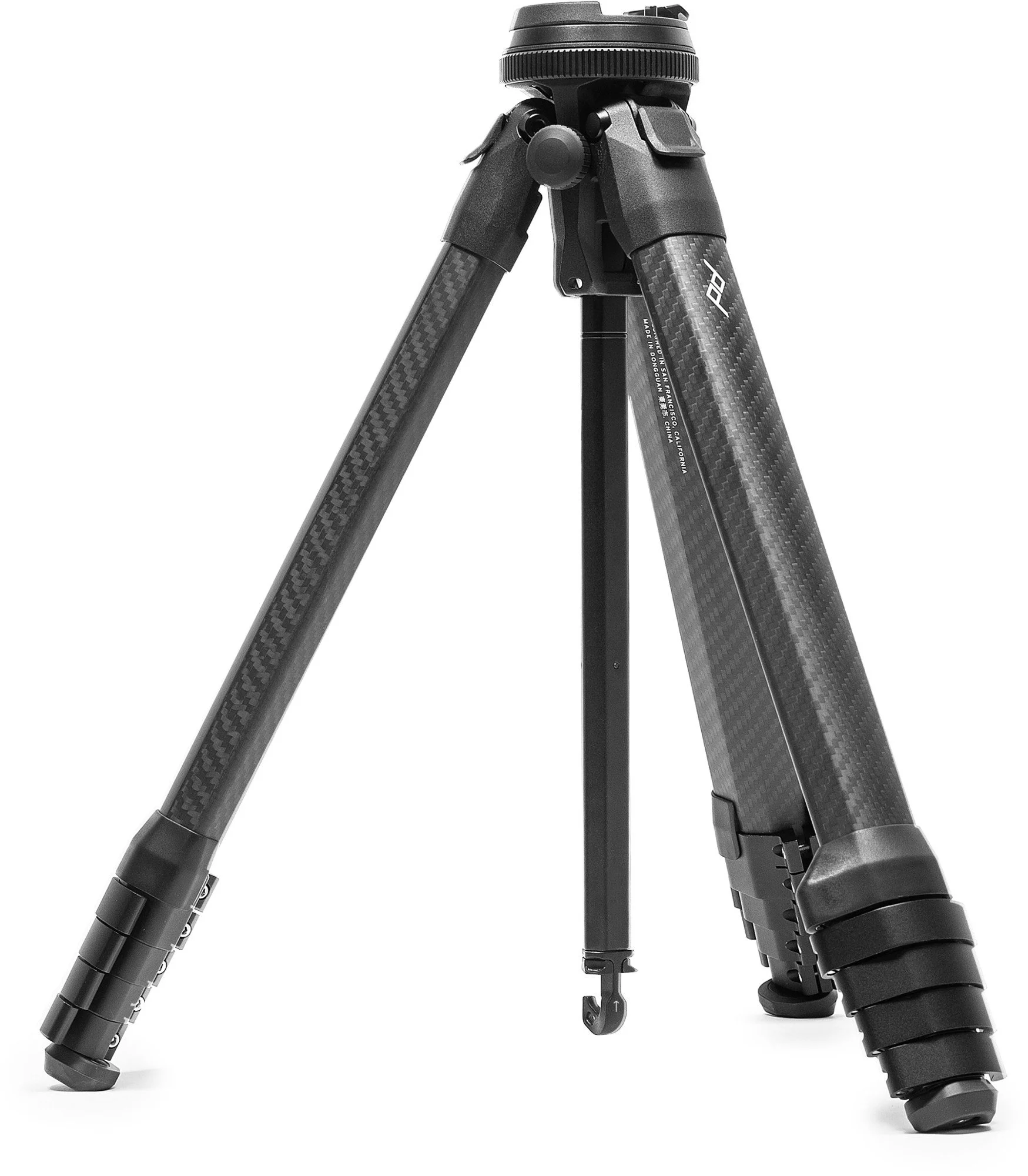
Peak Design Carbon Fiber Travel Tripod
The Peak Design Carbon Fiber Travel Tripod has been my go-to tripod since 2021 and it still works great! I love how lightweight it is, making it great for hiking and backpacking.
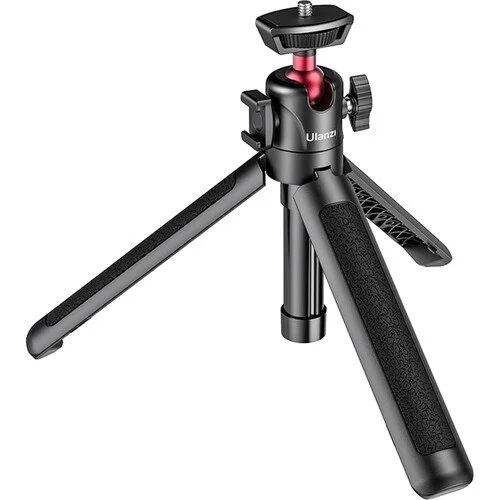
Ulanzi MT-16 Extendable Mini Tripod
This is my dedicated “thru-hiking” tripod. I typically don’t take my Peak Design tripod on thru-hikes because it’s a little heavy for those types of trips, so I instead typically take a mini tripod like the Ulanzi MT-16 Extendable Mini Tripod. It’s small and lightweight. However, this tripod only works when I use a small lens on my camera, otherwise, my camera is too heavy for this tripod (just something to keep in mind).
Accessories
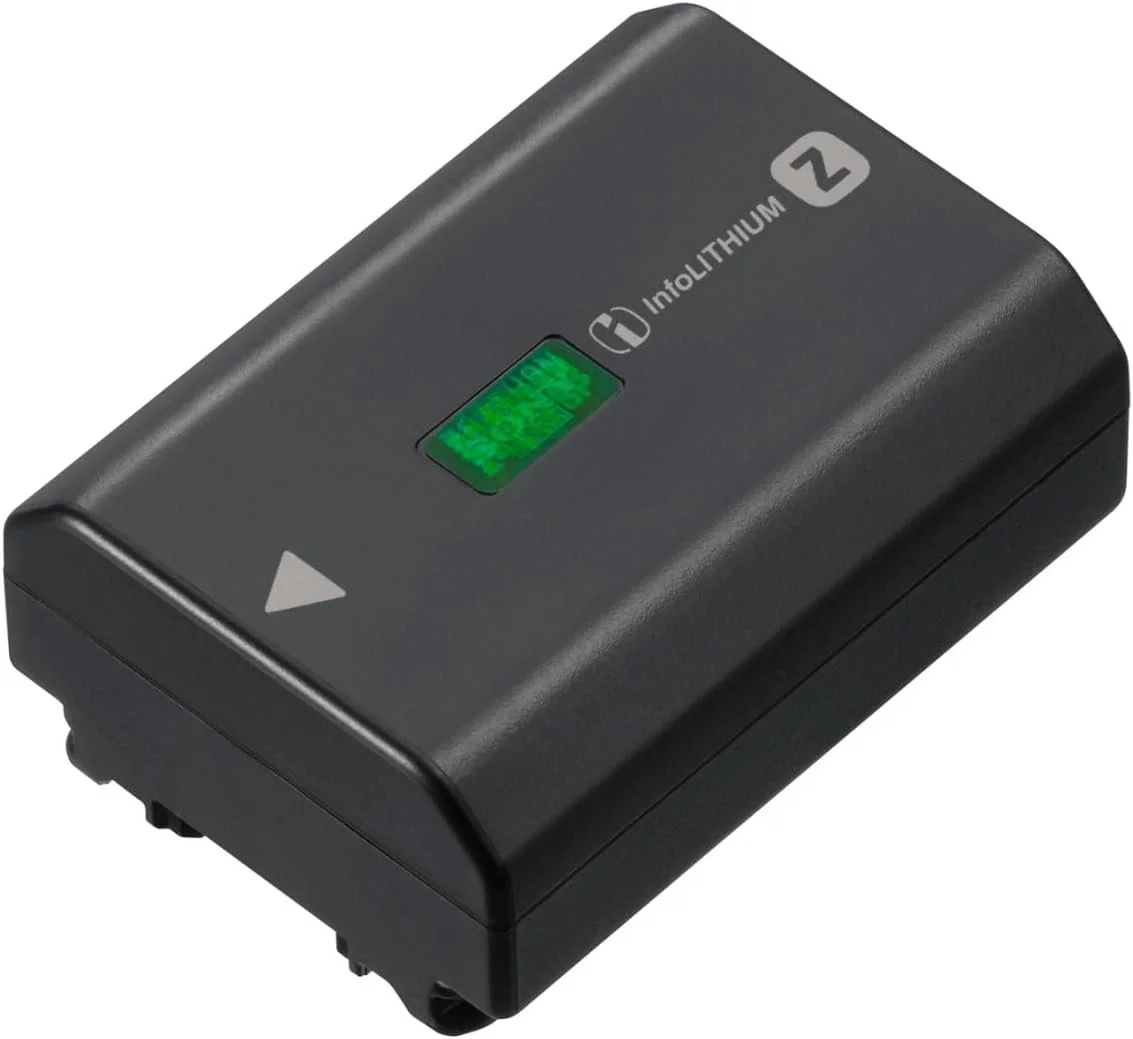
Sony NP-FZ100 Battery
I think I have at least 6 of these batteries now. Having extra batteries on hand is always nice, especially for longer hikes or backpacking trips.
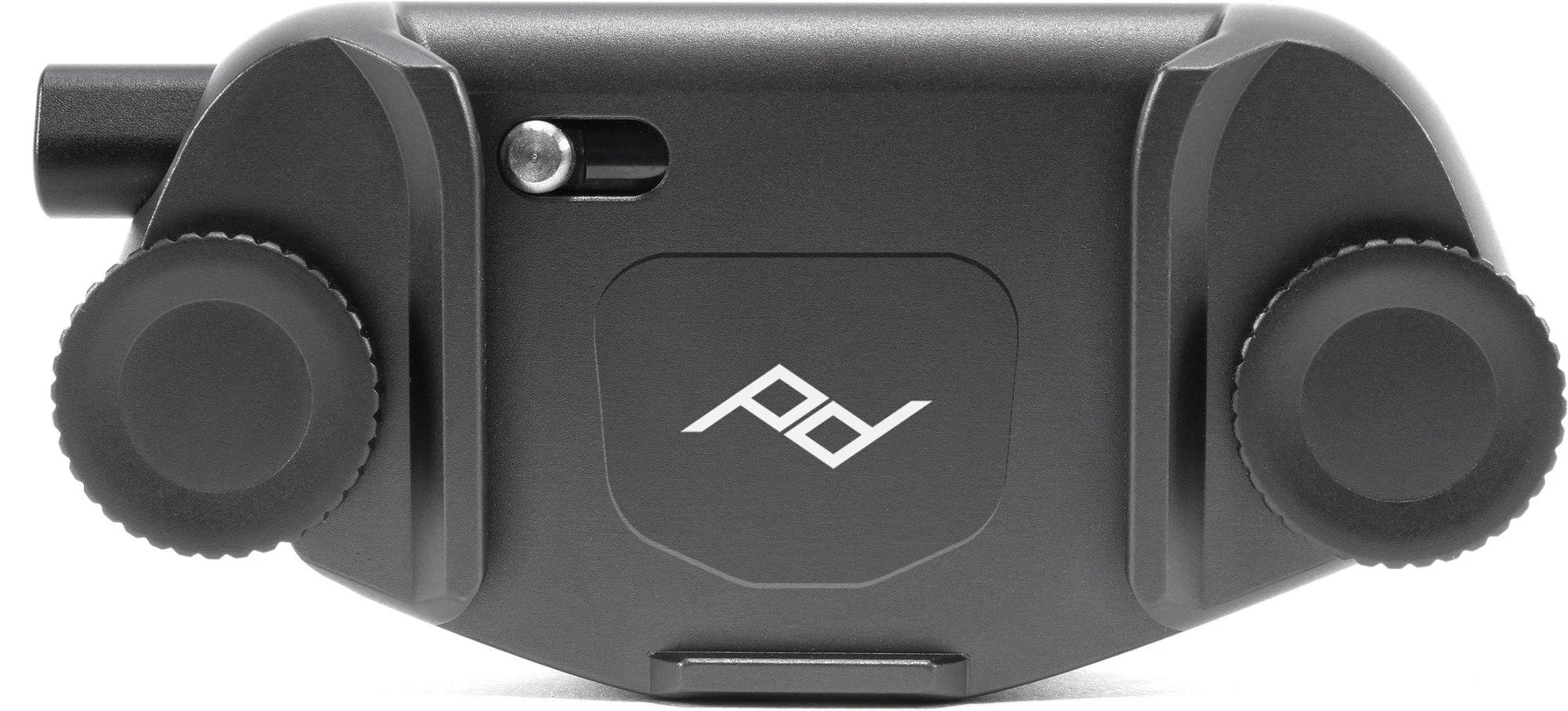
Peak Design Capture Camera Clip
I’ve used the Peak Design Capture Camera Clip since 2019 and it has been one of my favorite accessories to use hiking. The Capture Clip clips onto your bag strap, allowing quick and easy access to your camera while out on adventures.
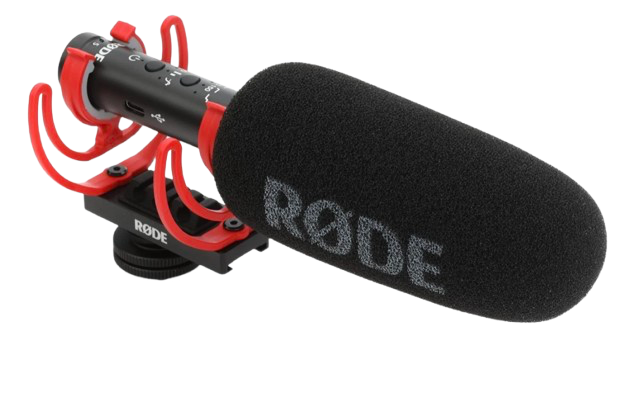
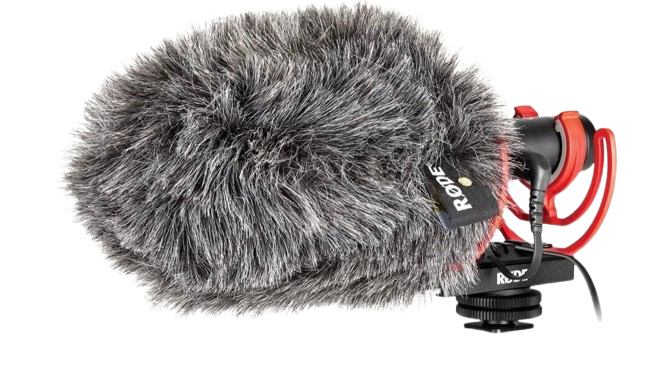
RODE VideoMic NTG Microphone
This year my goal was to get more into videography, so that meant I also needed to record good audio. I’ve been using the RODE VideoMic NTG Microphone with the RODE WS11 Windshield to capture sound while videoing. It’s been great so far.
Filters
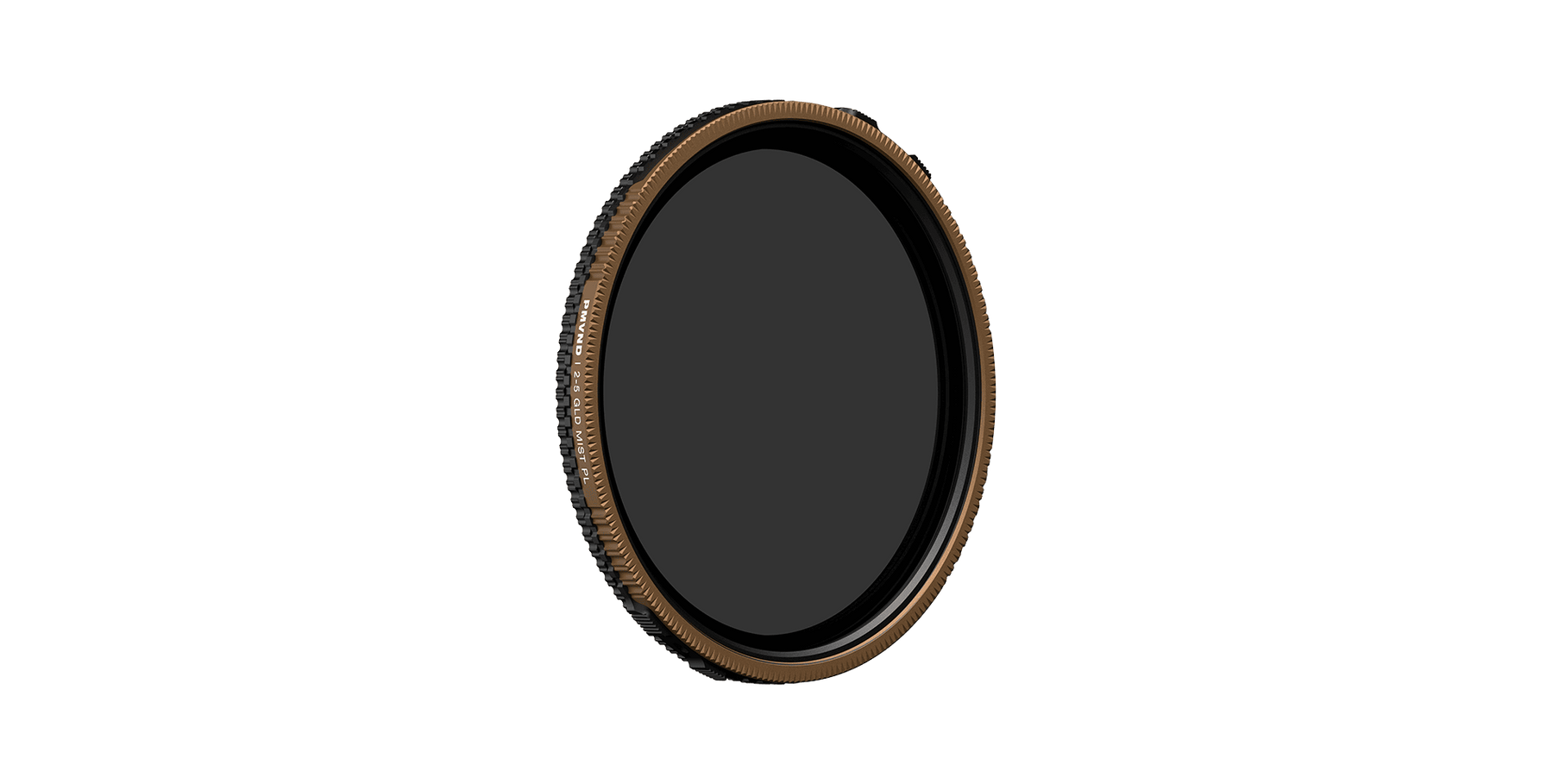
PolarPro Peter McKinnon Chroma VND/PL Gold Mist Filter (2 to 5-Stop, Grade 1/8)
This has been my go-to filter in 2026, especially as I’ve moved into video. This filter combines a polarizer, variable ND filter, and Gold Mist filter all into one. The ND filter is important for video because it allows me to shoot at lower apertures without letting too much light in, while the polarizer helps cut glare and reflections. The Gold Mist adds a subtle softness and golden warmth to my footage that I really love. I have this filter in both the 67mm and 77mm sizes to fit a couple of my lenses.
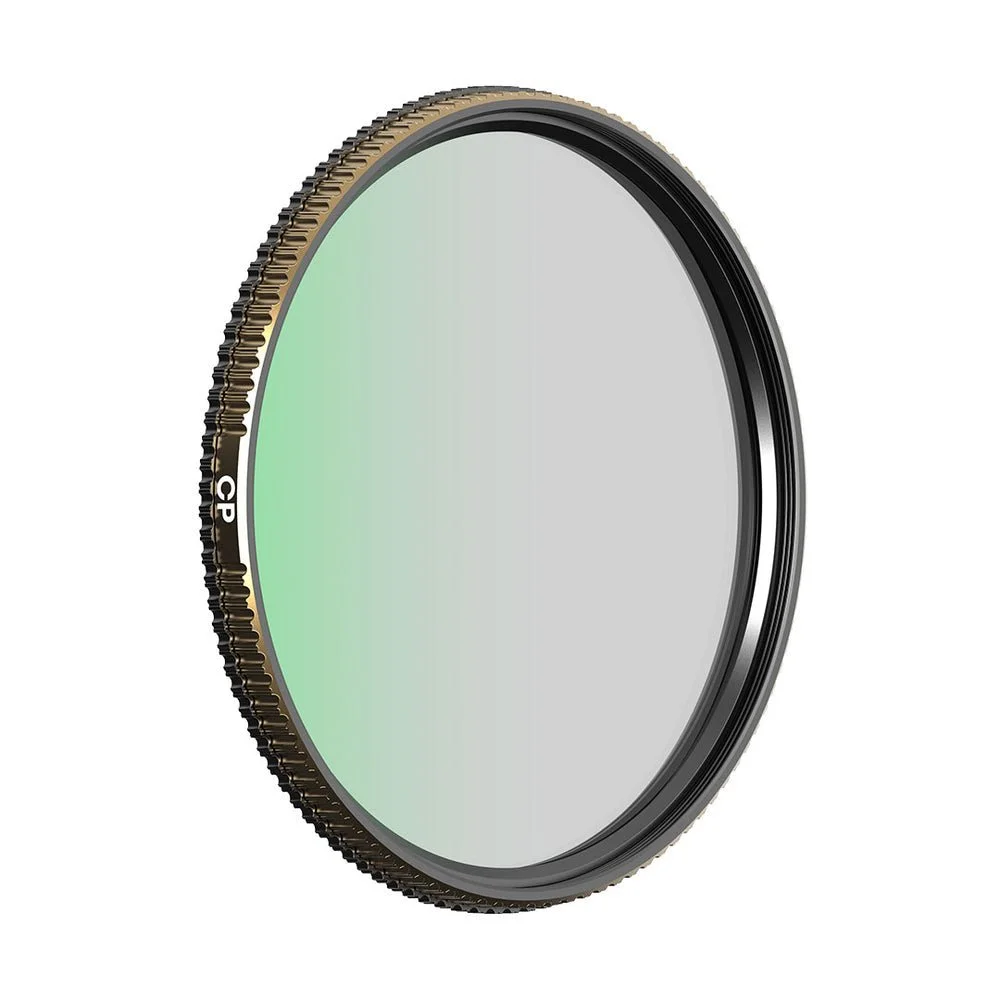
PolarPro Circular Polarizer Filter | Quartzline
If you just want a polarizer without an ND filter or gold mist filter, this one is my go-to. This polarizer has been essential to my photography when I need to eliminate glares, reflections, or haze from a landscape. I use my polarizer primarily when shooting landscapes with lakes and have never regretted having it with me. This polarizer was key when I hiked the John Muir Trail in August 2021 - there were so many lakes to photograph and this really helped capture their beauty without the glare and reflection!
Camera Bags
For a full breakdown on how I carry my camera while backpacking or thru-hiking, check out my blog post: How to Carry Your Camera Backpacking and Thru-Hiking.
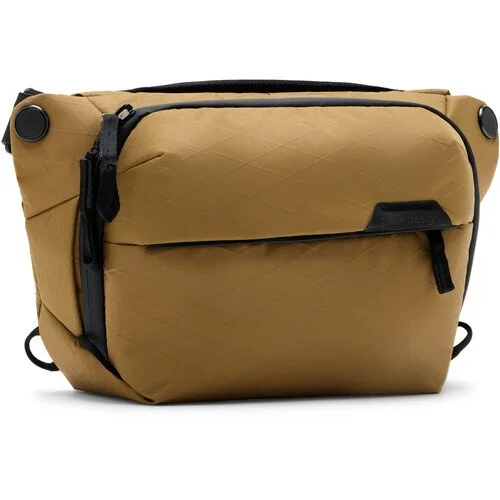
Peak Design Everyday Sling Bag
The Peak Design Everyday Sling is my go-to camera bag when I’m traveling or just want to carry a smaller camera setup. It has enough room for my camera body with a smaller lens without being bulky. I love how easy it is to access my camera while I’m out exploring.
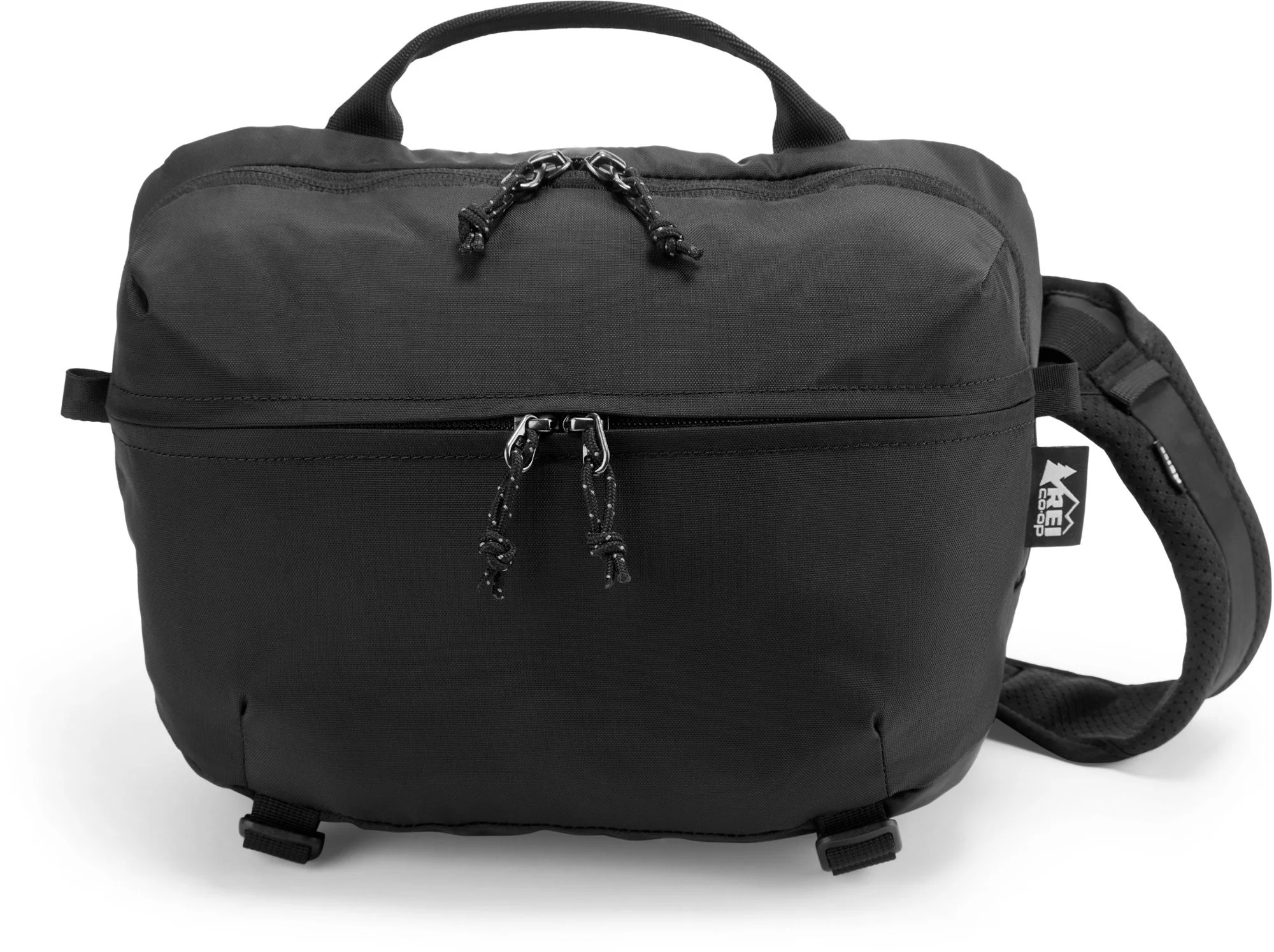
REI Co-op Ruckpack Sling
I use the REI Co-op Ruckpack Sling when I want something simple and lightweight for carrying a small amount of camera gear. I’ve been using this bag all summer when hiking and backpacking. It fits both my Sony a7CR with the 24-50mm lens attached, and my 100-400 lens also fits in the bag at the same time. While this is not technically a “camera bag”, I used it as a camera bag for hundreds of miles of hiking/backpacking this year and I love how easy it is to access my camera from it.
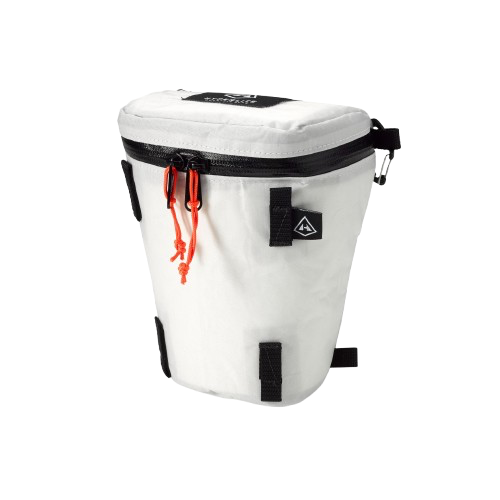
Hyperlite Mountain Gear Camera Pod
I use the Hyperlite Mountain Gear Camera Pod when I want to keep my camera protected while hiking and backpacking and I don’t mind not having another lens easily accessible. It’s lightweight, weather-resistant, and gives my camera a little extra protection from rain, dirt, and everything else that comes with being outside. I especially like it for backpacking trips when my camera gear is exposed to the elements for multiple days at a time. For my full review, check out my blog post: Hyperlite Mountain Gear Camera Pod Review.
Save for later!
Let’s Connect: Instagram • TikTok • YouTube • Join My Newsletter | Enjoy This Post? Ways to Support this Blog

Looking for the perfect gift for an outdoors lover? This Outdoorsy Gift Guide has over 80 gift ideas for adventurers of all kinds, from hikers and backpackers to campers, photographers, skiers, National Park lovers, and more.